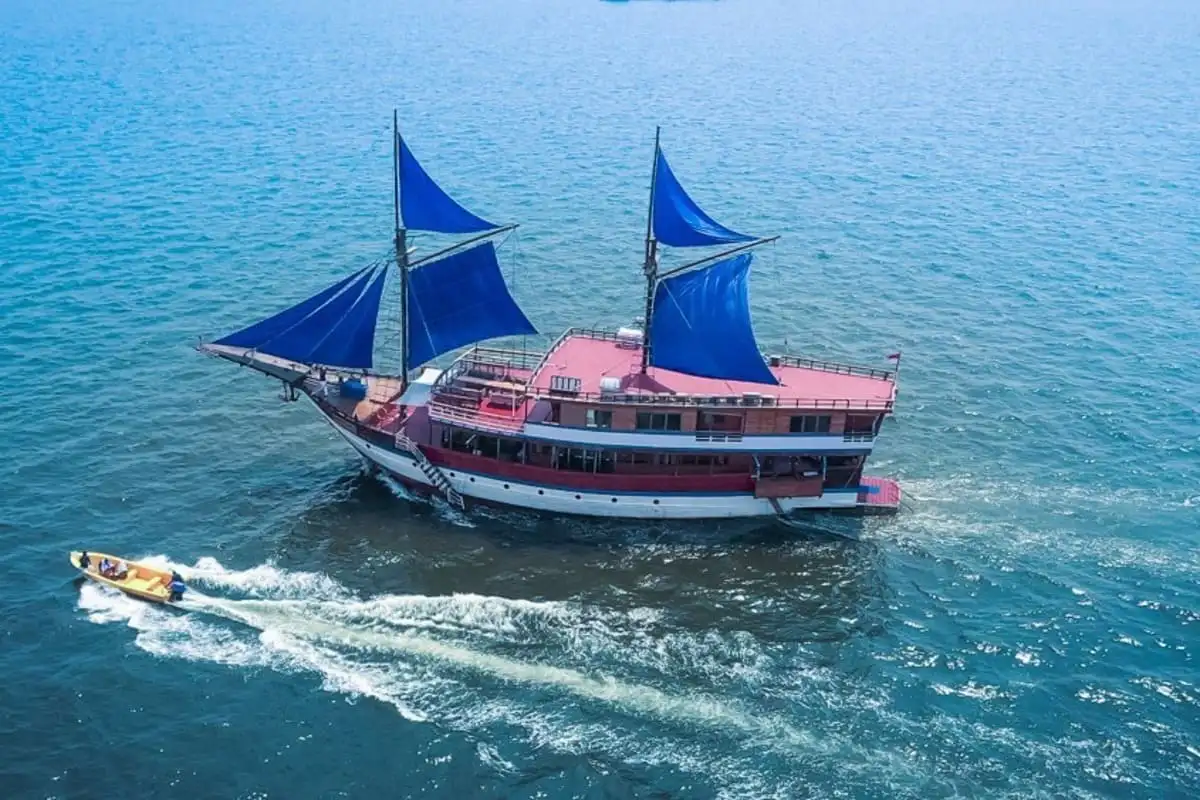
- A 35-meter luxury Phinisi with 5-6 guest suites typically costs between $1.5 million and $2.5 million to build.
- The choice between Ulin (ironwood) and teak for the hull and superstructure can influence the final price by up to 20%.
- Beyond the build, annual operational costs, including crew and maintenance, average 5-10% of the yacht’s initial value.
The air is thick with the scent of clove cigarettes and the sweet, sharp tang of curing wood. Under a corrugated iron roof on a beach in South Sulawesi, the rhythmic thud of an adze against an ironwood beam keeps time with the gentle lapping of the Flores Sea. This is not a factory assembly line; it is a centuries-old ritual of creation. Here, in the hands of the Konjo boat builders, the soul of a Phinisi schooner is born. For the discerning traveler and investor, understanding the true cost of these magnificent vessels is the first step in a journey that transcends mere ownership and enters the realm of legacy. The conversation around luxury yachts built in indonesia is one of artistry, heritage, and remarkable value.
Deconstructing the Phinisi Price Tag: More Than Just Timber and Sails
When commissioning a Phinisi, you are not simply buying a boat; you are investing in a piece of living history. The art of boatbuilding in South Sulawesi was inscribed on the UNESCO list of Intangible Cultural Heritage in 2017, a tradition passed down through generations without blueprints, relying instead on instinct and ancestral memory. This heritage is the foundation of the vessel’s value, but the final price is a complex calculation of material science, modern engineering, and bespoke luxury. The primary cost driver is, unsurprisingly, size. A 25-meter Phinisi is a world away from a 50-meter vessel, with costs escalating exponentially, not linearly, due to the volume of materials and labor required. A 100% increase in length can result in a 300-400% increase in price. The choice of timber is the next critical factor. The hull is almost always constructed from Ulin, or Bornean ironwood, a material so dense it barely floats. For the superstructure and interior, builders use high-grade teak. Some owners opt for an all-teak construction for a uniform aesthetic, a decision that can add 15-20% to the hull and deck budget. Finally, the reputation of the builder and the designer plays a significant role. A master builder from the Bira or Tanah Beru region with a portfolio of world-class yachts commands a premium, and for good reason. Their expertise ensures the vessel is not only beautiful but also structurally sound for decades of service in the demanding waters of the archipelago.
The New Build Spectrum: From Boutique Schooner to Floating Resort
The term “Phinisi” covers a wide spectrum of vessels, and the price reflects this diversity. Understanding the different tiers is crucial for any potential owner. At the entry-level of the luxury market, in the $800,000 to $1.5 million range, you will find beautifully crafted 25- to 30-meter schooners. These vessels typically feature 4-5 cabins, a comfortable main salon, and ample deck space. While the finishes are high-quality, they prioritize durability and authentic charm over sheer opulence. This tier is perfect for private family use or a boutique charter operation. The true sweet spot for the high-end charter market lies in the $1.5 million to $3 million bracket. Here, vessels stretch from 35 to 45 meters, offering 6-7 spacious suites, often with private balconies. The increase in volume allows for dedicated amenities like a PADI-certified dive center, a larger professional galley, and expansive, multi-level decks for dining and lounging. Yachts like the celebrated Lamima or Prana by Atzaró fall into this category, representing the pinnacle of the Phinisi charter experience. For those with ambitions on a grander scale, the $3 million-plus tier enters superyacht territory. These are vessels over 50 meters, often with three decks, housing amenities like dedicated spa suites, wine cellars, and even small cinemas. The engineering becomes more complex, incorporating advanced stabilization systems and redundant power generation. An in-depth look at these different vessel types reveals the sheer scope of what is possible with an Indonesian build.
The All-Important Interior: Where Budgets Are Made (or Broken)
While the hull and superstructure may account for 40-50% of a new build’s cost, the interior fit-out is where budgets can truly soar. This is the stage where a Phinisi transforms from a traditional boat into a world-class luxury yacht. The level of customization is practically limitless. An owner might specify hand-carved teak paneling from a single source log for perfect grain matching throughout the yacht—a detail that adds tens of thousands of dollars. The choice of materials for countertops and bathrooms can range from locally sourced marble to imported Italian Calacatta Gold, with a price differential of over 500%. Technology is another significant expense. A comprehensive audiovisual system with individual cabin controls, plus robust satellite communication and high-speed internet like Starlink, can easily exceed $150,000 on a 40-meter yacht. Galley outfitting is equally critical for a luxury charter vessel. A full suite of commercial-grade appliances from brands like Miele or Gaggenau can cost upwards of $80,000. The design fees themselves are a key consideration. Collaborating with a renowned international interior design firm will yield spectacular results but can add 10-15% of the interior budget in fees alone. A detailed yacht builder pricing guide is essential for itemizing these costs and preventing budget overruns. Ultimately, the interior is a direct reflection of an owner’s taste and willingness to invest in absolute comfort and style.
Beyond the Build: Understanding Operational and Charter Costs
The purchase price is just the beginning of the financial journey. A luxury yacht is a significant operational enterprise, and understanding these ongoing costs is vital for any prospective owner, especially one with charter ambitions. The largest single operational expense is the crew. A 40-meter Phinisi chartering in regions like Komodo or Raja Ampat requires a highly skilled crew of 12 to 18 members, including a Western cruise director, a dive master, engineers, and a talented chef. The annual payroll for such a team can range from $250,000 to $400,000. The second major cost is maintenance. A prudent owner will budget between 5-10% of the yacht’s initial value for annual upkeep. For a $2 million vessel, this means setting aside $100,000 to $200,000 per year for everything from engine servicing and antifouling to sail replacement and cosmetic touch-ups. However, a well-managed charter program can more than offset these costs. The demand for unique travel experiences, as highlighted by the official Indonesia tourism portal, has driven charter rates for premium Phinisis to between $12,000 and $25,000 per day. A successful yacht that secures 120 charter days a year can generate over $1.5 million in revenue, turning a passion project into a profitable asset. The key is partnering with a reputable management company, a connection that a trusted indonesia yacht builder can facilitate from the outset.
The Pre-Owned Market: Finding Value in a Seasoned Vessel
For those who prefer not to wait the 18-24 months for a new build, the brokerage market for luxury yachts built in indonesia offers compelling opportunities. The most significant advantage is the lower initial capital outlay. A 10-year-old Phinisi that has been well-maintained can often be acquired for 50-60% of its replacement cost. This allows an owner to enter the market at a much lower price point or to acquire a larger vessel than they could afford new. Another benefit is immediate availability; the yacht is ready to be used or placed into charter service, generating revenue from day one. A pre-owned vessel also comes with a known history and performance record. However, this path requires extreme diligence. A comprehensive pre-purchase survey conducted by an accredited marine surveyor is non-negotiable. This process, which can cost between $5,000 and $10,000 for a larger vessel, involves an in-water inspection and a haul-out to examine the hull, machinery, and all onboard systems. It is the single most important investment a buyer can make, as it can uncover hidden structural issues or deferred maintenance that could cost hundreds of thousands to rectify. The ideal pre-owned Phinisi is one with a continuous service history, a consistent record in the charter market, and transparent ownership. Finding such a vessel can provide immense value and an expedited entry into the world of Indonesian yachting.
Quick FAQ on Indonesian Yacht Building Costs
How long does it take to build a luxury Phinisi in Indonesia?
A: The construction timeline for a 35- to 45-meter luxury Phinisi is typically 18 to 24 months. This period, from the traditional keel-laying ceremony to the final sea trials, can be influenced by the complexity of the interior design, the availability of specific imported equipment, and the shipyard’s existing schedule.
Are Indonesian-built yachts safe and built to international standards?
A: Absolutely. While they employ traditional building methods for the hull, the most reputable builders construct their vessels to meet the stringent requirements of international classification societies like Bureau Veritas (BV) or the Italian RINA. They integrate modern marine engineering, including watertight bulkheads, advanced navigation suites from brands like Furuno and Simrad, and full SOLAS-grade safety equipment, ensuring they are as safe as any yacht built in Europe or America.
What is the main advantage of building a yacht in Indonesia over Europe?
A: The primary advantage is value. A bespoke wooden motor-sailer of this size and artisanal quality would cost at least two to three times more if commissioned from a shipyard in Italy or the Netherlands. Beyond the significant cost savings, building in Indonesia provides direct access to a unique lineage of shipbuilding craftsmanship and sustainable hardwoods like Ulin and teak that are perfectly suited to the marine environment. The result is a vessel with a unique character and soul that cannot be replicated elsewhere.
How do I start the process of commissioning a yacht?
A: The crucial first step is to engage with a specialized project manager or a dedicated firm. When you book an initial consultation with an Indonesia yacht builder, you gain a partner who can translate your vision into a workable design, help you select the right shipyard for your budget and style, negotiate contracts, and provide on-the-ground quality control throughout the entire build process, ensuring a successful outcome.
The allure of an Indonesian Phinisi is undeniable—it is a vessel that is both a platform for adventure and a work of art in its own right. From the sun-bleached shores of Sulawesi to the turquoise waters of the Komodo National Park, these yachts represent a unique convergence of ancient tradition and modern luxury. path to ownership, whether through a new commission or a brokerage purchase, requires a partner with deep local knowledge and an impeccable track record. For those ready to turn the dream of a bespoke Indonesian schooner into a tangible reality, the journey begins with a conversation. The expertise of a premier indonesia yacht builder is the essential first chart to plotting your course.