- Assess their portfolio of completed vessels and current projects.
- Verify the legal sourcing of materials like ironwood and teak.
- Confirm the involvement of qualified naval architects and designers.
A Journey into the Heart of Maritime Craftsmanship
The warm, humid air hangs thick with the scent of sawdust and clove cigarettes. Under the vast, open-sided shed, the rhythmic tap-tap-tap of a hundred hammers on wood creates a percussive symphony. You run a hand along the immense, curved rib of a hull, the ironwood cool and impossibly dense beneath your palm. This is not a factory floor; it is a cathedral of creation in South Sulawesi, the cradle of the phinisi schooner. For generations, the Konjo people have been launching these magnificent vessels from these very shores. Today, that ancient art form is being transformed. The challenge for the discerning investor is not just to commission a yacht, but to find the true artisans—the master builders who can translate a dream into a vessel of both legacy and luxury. Finding the right custom yacht builder in indonesia is the first, and most critical, step in a journey that spans from the drafting table to the turquoise waters of the Coral Triangle.
The Phinisi Legacy: Understanding Indonesia’s Naval Heritage
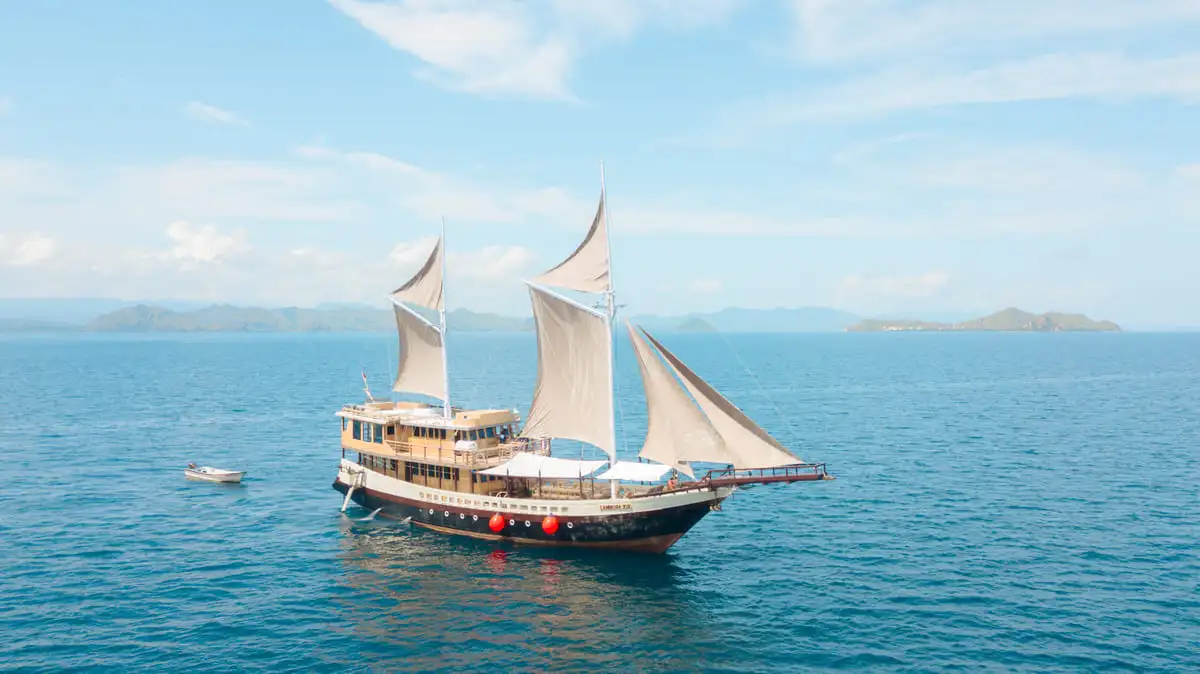
Before you can select a builder, you must understand the vessel they are creating. The Indonesian phinisi is not merely a boat; it is a cultural artifact. In 2017, UNESCO formally recognized the “Art of boatbuilding in South Sulawesi” as a Masterpiece of the Intangible Cultural Heritage of Humanity. This is the tradition your builder is inheriting. The classic design features two masts and traditionally carried seven sails, a configuration that allowed Konjo sailors to master the trade winds across the archipelago for centuries. These were the original spice traders, the vessels that connected the 17,508 islands of this nation. A reputable builder reveres this history. They don’t just replicate it; they evolve it. During my last visit to a yard in Bira, I spoke with a fifth-generation builder named Daeng Yusuf. He explained how they still perform the “Annyorong Lopi” (launching of the boat) ceremony, a ritual involving prayers and sacrifices, for every vessel. Yet, in the next breath, he showed me the 3D CAD renderings for the yacht’s stabilization system. This duality is the hallmark of a premier builder: a deep, authentic connection to the past, paired with an uncompromising embrace of modern naval architecture, safety, and comfort. Ask a potential builder about this heritage. Their answer will reveal whether they are simply assembling a product or crafting a legacy.
Vetting the Shipyard: A Necessary Pilgrimage Beyond the Brochure
A glossy brochure and a slick website can paint a compelling picture, but the truth of a builder’s capability lies in the organized chaos of their shipyard. I cannot overstate the importance of a personal visit. Plan to spend several days, not hours, on the ground. The top-tier yards are primarily located in South Sulawesi, with finishing and outfitting often completed in Bali or Batam. When you arrive, look past the monumental scale of the hulls. Observe the details. Is the yard clean and well-organized? Are safety protocols like hard hats and proper scaffolding in use? A commitment to safety reflects a disciplined, professional operation. Examine the wood storage. Is the ironwood (Ulin) and teak stacked properly, allowing for air circulation to prevent warping? Is there evidence of a clear timber sourcing chain? A reputable builder will be proud to show you their SVLK (Timber Legality Verification System) certificates. I once walked away from a potential builder because their wood stocks were haphazardly piled in the mud, a clear sign of disrespect for their most crucial material. The most telling indicator is seeing projects at various stages. A yard with only new keels laid and finished boats in the water might be hiding its mid-build process. You want to see the complex interior framing, the planking process, and the initial engine installations. This transparency is non-negotiable and provides a real-world look at the quality you can expect. For a deeper what to look for on-site, The Definitive Indonesia Yacht Builder Guide offers a comprehensive checklist for your visit.
The Material Difference: Sourcing, Sustainability, and Seaworthiness
The soul of a phinisi is its timber. The two primary woods used are Ulin (Eusideroxylon zwageri), or Indonesian ironwood, for the hull, and Teak (Tectona grandis) for the superstructure and decks. Ulin is one of the densest woods in the world, with a specific gravity often exceeding 1.0, meaning it can sink in water. Its natural resistance to marine borers and rot is legendary, making it the ultimate material for a long-lasting hull. A 35-meter phinisi requires approximately 250 cubic meters of timber, a significant investment and environmental consideration. This is where a builder’s ethics are truly tested. Insist on seeing documentation for legally and sustainably harvested wood. The Indonesian government’s SVLK certification is the minimum standard. A superior builder will have long-standing relationships with their suppliers and can often trace a batch of timber back to its origin forest. The cost of certified, high-grade Ulin can be 20-30% higher than wood from questionable sources, but this is not a place to cut corners. The integrity of your entire vessel depends on it. The choice of materials extends beyond the wood. Discuss the marine-grade steel for framing, the quality of the stainless fittings (316L is the standard), and the brands of mechanical systems like engines, generators, and watermakers. A builder who defaults to quality, internationally recognized brands like Caterpillar or Cummins for engines demonstrates a commitment to reliability and serviceability, which is crucial when you’re exploring remote locations like the Banda Islands, hundreds of miles from the nearest major port.
The Design Team: Translating Your Vision into a Seaworthy Reality
The most significant evolution in Indonesian yacht building over the past two decades has been the integration of professional design teams. Traditionally, a master builder (Punggawa) would construct a phinisi from memory, using inherited knowledge rather than formal blueprints. While this creates a vessel of immense character, it doesn’t meet the exacting standards of modern luxury yachting. A leading custom yacht builder in indonesia now employs or partners with qualified naval architects, marine engineers, and interior designers. This collaborative approach is critical. The naval architect ensures the vessel is not just beautiful, but also stable, efficient, and compliant with maritime regulations, such as those from the BKI (Biro Klasifikasi Indonesia). They will conduct stability tests and produce the detailed schematics required for insurance and registration. The design team, meanwhile, works with you to translate your aesthetic and functional requirements into reality. They create 3D renderings of the cabins, saloons, and deck spaces, allowing you to virtually walk through your yacht long before construction is complete. This process avoids costly changes during the build. When interviewing a builder, ask to meet their lead architect and designer. Is there a clear communication workflow? Do they have experience with projects of your intended scale and complexity? Understanding the financial implications of design choices is paramount, and a transparent builder will provide detailed cost breakdowns. Our Indonesia Yacht Builder Pricing & Cost Guide explores how these design decisions directly impact the final investment.
Contracts, Classification, and Costs: The Business of Boat Building
Building a custom yacht is a significant financial undertaking, and the business side must be as solid as the hull. A reputable builder operates with a clear, comprehensive contract that outlines every aspect of the project. This document should include detailed specifications of the vessel, a definitive list of all major equipment, and a mutually agreed-upon construction timeline. A typical build for a 40-meter luxury phinisi can take anywhere from 18 to 24 months. The payment schedule should be tied to specific, verifiable construction milestones—for example, keel laying, hull completion, engine installation, and final launch. Never agree to a simple time-based payment plan. Milestone-based payments ensure that your funds are directly tied to tangible progress. Another critical contractual element is classification. While many phinisi are built to local BKI standards, some owners opt for a higher international classification like RINA or Lloyd’s Register for global cruising and higher resale value. This adds approximately 15-20% to the build cost but provides an invaluable third-party verification of quality and safety. Be wary of any builder who is hesitant to discuss contracts or classification in detail. Transparency is the bedrock of trust in a project of this magnitude. This is a partnership, and you need a partner who is as committed to fiscal accountability and regulatory compliance as they are to beautiful woodwork. When you’re ready to take the next step, you can book a consultation to discuss your project’s specific financial framework.
Quick FAQ on Choosing Your Indonesian Yacht Builder
What is a realistic budget for a custom phinisi yacht?
While every project is unique, a high-quality, 30-35 meter luxury phinisi generally starts around $1.5 million USD. For larger, more complex vessels over 45 meters with high-end interiors and systems, the investment can range from $3 million to over $5 million. The final cost is heavily influenced by your choice of materials, interior finishes, and technical equipment.
How involved do I need to be during the 18-24 month build process?
Your level of involvement is flexible. At a minimum, plan for quarterly site visits to review progress and make key decisions. Many owners hire an independent owner’s representative or surveyor, often a seasoned captain or marine engineer, to be their eyes and ears on the ground, providing weekly reports and ensuring quality control throughout the entire build.
Are Indonesian-built yachts safe for international voyages?
Absolutely, provided they are built by a reputable yard to modern standards. A top-tier builder will adhere to strict classification society rules, incorporate modern safety features like watertight bulkheads and advanced fire-suppression systems, and install state-of-the-art navigation and communication electronics from brands like Furuno or Garmin, making the vessel perfectly capable of safe ocean crossings.
Why choose an Indonesian builder over a European shipyard?
The primary reasons are craftsmanship, value, and the unique phinisi design. You are commissioning a hand-built vessel with a direct lineage to centuries of maritime heritage—something no European yard can replicate. The artisanal skill in Indonesian woodworking is exceptional. Furthermore, the cost to build is significantly lower than in Europe, allowing for a larger, more customized yacht for a comparable investment, all while supporting a unique and valuable cultural tradition. You can explore more about this tradition on the official Indonesia Travel portal.
The path to commissioning your own vessel in this remarkable archipelago is as rewarding as the voyages that await. It is a culture, craftsmanship, and collaboration. Choosing the right partner—a builder with integrity, vision, and a profound respect for the phinisi legacy—is the single most important decision you will make. This choice will define the quality of the journey and the ultimate character of the yacht that will carry your adventures for decades to come. To begin this extraordinary process with a team that embodies these principles, contact an expert at Indonesia Yacht Builder today.