The Enduring Legacy of Phinisi Craftsmanship: Bira’s Master Shipwrights
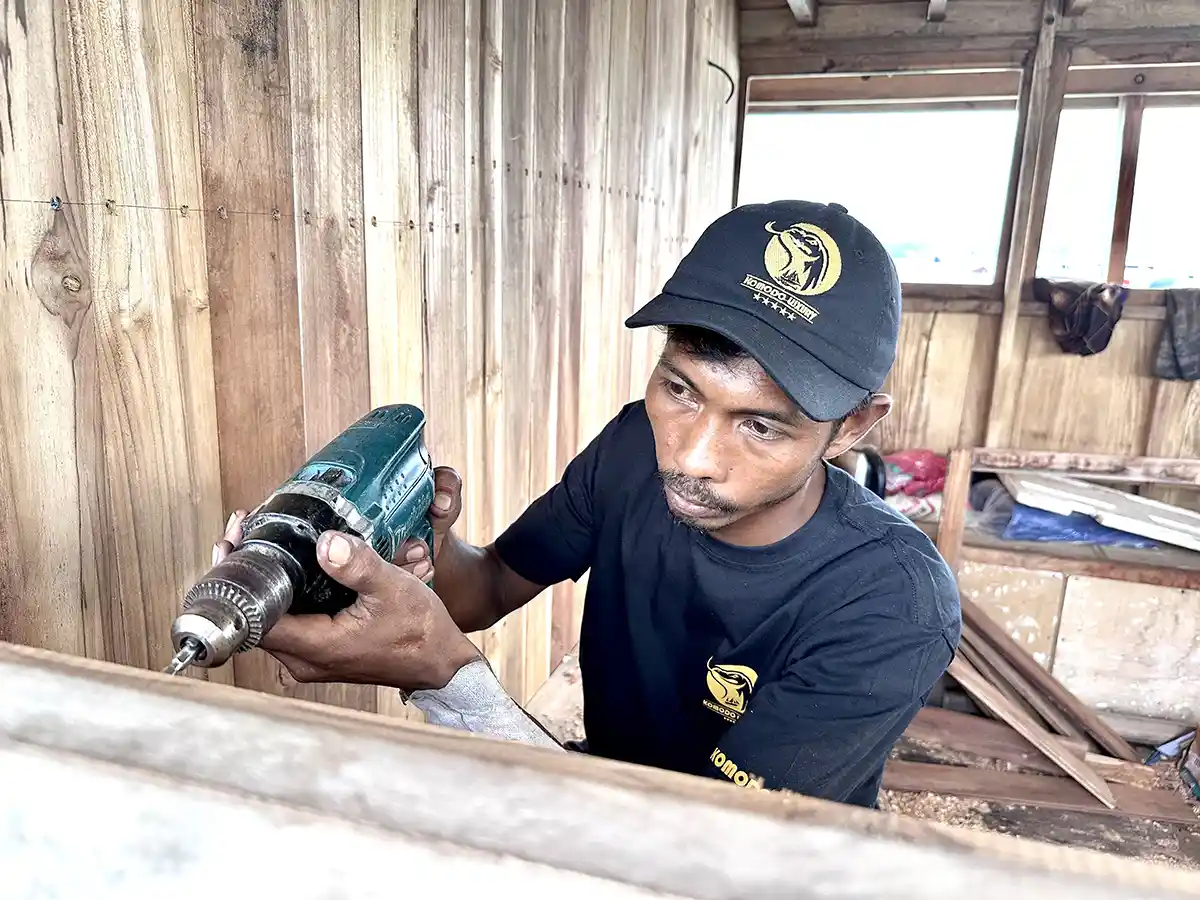
The global capital of Phinisi shipbuilding pulses with activity in Bira, a coastal town in Bulukumba, South Sulawesi. This is where the Konjo people, a sub-ethnic group of the Bugis, uphold a boatbuilding tradition recognized by UNESCO as Intangible Cultural Heritage in 2017. Their expertise, passed down through oral tradition and practical apprenticeship, defines the essence of an Indonesia yacht builder. A Phinisi is not merely a vessel; it is human ingenuity and a profound connection to the sea. The distinct seven-sail rig, typically a schooner or ketch, distinguishes these magnificent ships. Each plank, each joint, tells a story of meticulous handwork. The primary materials are formidable hardwoods: ulin (Bornean ironwood), known for its exceptional density and resistance to rot, and teak, prized for its strength and aesthetic appeal. A typical 50-meter luxury Phinisi requires approximately 300–400 cubic meters of these hardwoods. The construction process, often taking 18 to 24 months for a newbuild, involves hundreds of skilled artisans working in open-air shipyards, a stark contrast to enclosed Western facilities.