- Entry-Level (25-30m): $750,000 – $1.2 million
- Mid-Range (35-45m): $1.5 million – $3 million
- High-End (50m+): $3 million – $5 million+
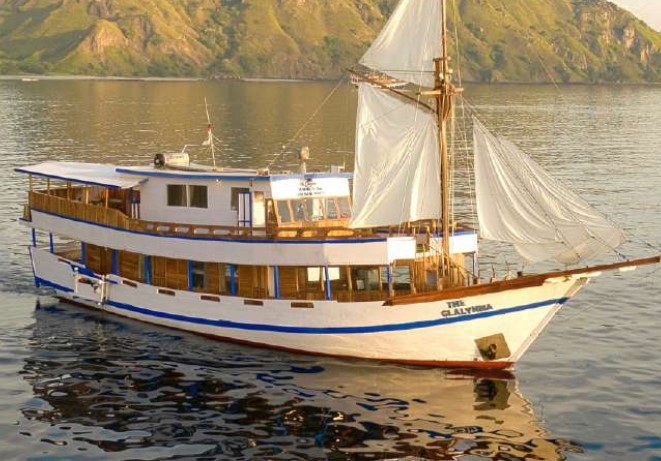
The air on the beach at Tana Beru is thick with the scent of sawdust, clove cigarettes, and salt. Under a canopy of coconut palms, the rhythmic thud of mallets against wood provides a constant percussion. This is not a sterile, modern shipyard; it is the cradle of a living maritime legend. Here, on the sands of South Sulawesi, the Konjo people are shaping the hull of a 40-meter Phinisi, a vessel whose lineage stretches back centuries. The question I hear most often from clients and fellow travelers, whispered in hushed tones at exclusive resorts from Bali to Sumba, is not about the romance, but the reality: what does it actually cost to commission one of these magnificent floating villas?
Deconstructing the Phinisi: More Than Just a Wooden Boat
Before we can attach a price tag, it’s essential to understand what a Phinisi truly is. This is not merely a boat; it’s a piece of cultural heritage so significant that in 2017, UNESCO recognized the “Art of boatbuilding in South Sulawesi” as a Masterpiece of the Oral and Intangible Heritage of Humanity. Originally built for cargo, these two-masted schooners, traditionally rigged with seven sails, have plied the waters of the Indonesian archipelago for generations. The entire construction process is steeped in ritual, from selecting the timber to the keel-laying ceremony. Today’s luxury Phinisis retain this ancestral soul while incorporating the standards of a modern superyacht. The very materials are this legacy. The keel and frames are almost exclusively crafted from Ulin, or Bornean ironwood, a timber so dense it sinks in water and is virtually impervious to marine borers. The hull and superstructure are typically built from high-grade teak. Sourcing legally-harvested, mature ironwood is a significant challenge and a primary cost driver, with top-grade Ulin fetching over $2,500 per cubic meter before it’s even milled. This blend of ancient craft and modern demand is precisely what makes calculating the custom phinisi yacht in indonesia cost so complex.
The Core Cost Factors: Size, Hull, and Timber Selection
The single most influential factor in determining the cost of your custom Phinisi is its Length Over All (LOA). The price does not scale linearly; a 40-meter yacht is significantly more than double the cost of a 20-meter one due to the exponential increase in material volume, labor, and system complexity. A smaller, 25 to 30-meter Phinisi with 4-5 guest cabins will typically land in the $750,000 to $1.2 million range. This class of vessel is ideal for private use or boutique charters. The majority of new luxury builds, however, fall into the 35 to 45-meter category. These yachts, featuring 6-8 cabins and extensive deck space, command a price of $1.5 million to $3 million. For those commissioning a top-tier vessel of 50 meters or more, with amenities like dedicated spa rooms and multiple master suites, the budget begins at $3 million and can easily surpass $5 million. I recently spoke with Haji Abdullah, a fourth-generation builder in Bira, who put it plainly: “The wood is the foundation of the price. A 40-meter hull requires over 250 cubic meters of Ulin and teak. That is your first million dollars, right there, before a single wire is run.” The quality of that wood is another variable. Grade-A, straight-grain teak for decking and superstructures can be 30-40% more expensive than lower grades, a difference that adds up to hundreds of thousands of dollars on a large build. For a more granular analysis of these material costs, our comprehensive Indonesia Yacht Builder Pricing & Cost Guide offers an in-depth perspective.
Engineering and Systems: The Modern Heart of an Ancient Vessel
While the soul of a Phinisi is its hand-built wooden hull, its heart is a complex suite of modern marine engineering systems. This is where a significant portion of the budget is allocated, and it’s an area where cutting corners is simply not an option for a vessel intended for luxury charter in remote locations like Raja Ampat or the Banda Sea. Propulsion is paramount. A pair of reliable marine diesel engines from manufacturers like Yanmar or Mitsubishi, each providing 400-600 horsepower, can cost between $80,000 and $150,000 for the engines alone, before factoring in gearboxes, shafts, and propellers. To power the onboard amenities—from air conditioning to water makers—requires robust power generation. A typical 40-meter Phinisi will be equipped with two or three marine generators, adding another $60,000 to $100,000. The navigation and communication package, essential for safety and compliance, is another major line item. A full suite including radar, GPS, VHF/HF radios, AIS, and satellite communication systems from brands like Furuno or Garmin can easily exceed $100,000. Then there are the hotel systems: marine-grade HVAC, desalination units capable of producing 5,000-10,000 liters of fresh water per day, and internationally-compliant waste treatment systems. These critical components can add a further $200,000 to the build cost. Integrating these advanced systems into a traditional wooden structure requires specialized naval architects and marine engineers, a far cry from the purely traditional builds of the past.
Interior Outfitting and The Luxury Premium
The transition from a seaworthy hull to a floating luxury retreat happens during the interior outfitting phase, and it’s here that the budget can become a moving target. The level of finishing and the origin of the materials create a vast price differential. A Phinisi can be finished with locally sourced materials and simple, robust furniture, or it can be appointed to a standard that rivals any Mediterranean superyacht. Custom joinery and cabinetry, milled from solid teak or mahogany, can cost tens of thousands of dollars per cabin. I spoke with Alistair Finch, a Jakarta-based interior designer who has worked on several high-profile Phinisi projects. “Clients see a yacht like Amandira or Prana by Atzaró and they want that level of bespoke luxury,” he explained. “That’s a different conversation. We are flying in Italian leather for the banquettes, German faucets from Dornbracht for the en-suites, and Belgian linens for the staterooms. The interior budget alone for a 45-meter boat can easily surpass $700,000.” The galley is another area of significant expense. A commercial-grade galley capable of producing gourmet meals for 14 guests and 16 crew must be equipped with stainless steel surfaces, high-capacity refrigeration, and professional appliances, often costing upwards of $75,000. Add to this state-of-the-art audio-visual systems, high-speed satellite internet, and custom-designed lighting, and you can see how the interior becomes a defining element of the final custom phinisi yacht in indonesia cost. Exploring the various build philosophies is crucial, and The Definitive Indonesia Yacht Builder Guide is an excellent resource for understanding these nuances.
The “Hidden” Costs: Classification, Management, and Operational Readiness
The price quoted by the builder for the physical yacht is just one part of the total investment. Several other professional services and regulatory costs, often referred to as “soft costs,” are critical for a successful project. First, engaging a reputable naval architect and designer is non-negotiable. Their fees, which typically range from 5% to 10% of the build cost, cover everything from initial concept sketches to detailed construction plans and stability calculations. For a $2 million project, this amounts to $100,000 to $200,000. To operate commercially, the vessel must be built to a specific standard and “in class.” Classification with a society like BKI (Biro Klasifikasi Indonesia) or an international body like RINA involves rigorous inspections throughout the build process and adds another $30,000 to $60,000 in fees and compliance costs. Perhaps the most vital investment an owner can make is hiring an independent project manager. This individual acts as the owner’s representative on the ground, ensuring quality control, managing payments, and keeping the project on its 18-to-24-month timeline. Their fee, often 5-8% of the build cost, pays for itself by preventing costly mistakes and delays. Finally, one must budget for operational readiness. This includes delivery costs, sea trials, initial crew hiring and training, and the first full provisioning of the yacht. As a rule of thumb, prospective owners should also anticipate annual operating costs of around 8-10% of the vessel’s initial value to cover crew salaries, insurance, maintenance, fuel, and mooring fees, particularly when operating in prime charter destinations highlighted by tourism authorities like indonesia.travel.
Quick FAQ: Your Phinisi Cost Questions Answered
How long does it take to build a custom Phinisi?
A: The construction timeline for a custom Phinisi is highly dependent on its size and complexity. A 35- to 45-meter luxury Phinisi typically takes between 18 and 24 months from the keel-laying ceremony to final delivery and commissioning. More intricate designs or unforeseen supply chain issues for specific imported equipment can extend this timeline to 30 months.
Can I get financing for a Phinisi build in Indonesia?
A: Securing traditional marine financing from Western financial institutions for a wooden boat built in Indonesia is exceptionally challenging. The vast majority of these projects are self-funded by the owner. The payment structure is typically tied to construction milestones: for example, 30% at contract signing, 20% upon hull completion, 20% at engine installation, and so on, with a final payment upon successful sea trials.
What is the potential return on investment for a charter Phinisi?
A: The ROI is highly variable and depends on management, marketing, and location. A well-run, 6-7 cabin luxury Phinisi in a prime area like Komodo National Park or Raja Ampat can command charter rates from $6,000 to over $15,000 per night. With a target of 120-150 charter days per year, a successful operation can generate significant revenue, potentially leading to a return on the initial investment within a 7- to 10-year timeframe, not accounting for the vessel’s asset value.
Where is the best place to build a Phinisi?
A: The undisputed heartland of traditional Phinisi construction remains South Sulawesi, specifically in the coastal villages of Tana Beru, Bira, and Tanah Lemo. This is where you find the generational knowledge and skilled artisans, known as panrita lopi, who are masters of their craft. While finishing work is often completed elsewhere, like in Bali or Java, the soul of the vessel is born here. For more detail on the builders and the region, our guide is an essential starting point.
The journey of commissioning a custom Phinisi is as much about cultural immersion and patronage of a living art form as it is about naval engineering and financial investment. The final number on the invoice is a reflection of a thousand decisions, from the specific ironwood tree chosen for the keel to the thread count of the master suite linens. It represents the labor of dozens of craftsmen over two years, blending ancient techniques with modern safety and luxury. Navigating this intricate but profoundly rewarding process requires expert guidance. The team at Indonesia Yacht Builder provides the essential on-the-ground project management and technical expertise required to translate a vision into a world-class vessel. To begin the conversation and define the true cost of your Indonesian dream, contact their team of specialists.