
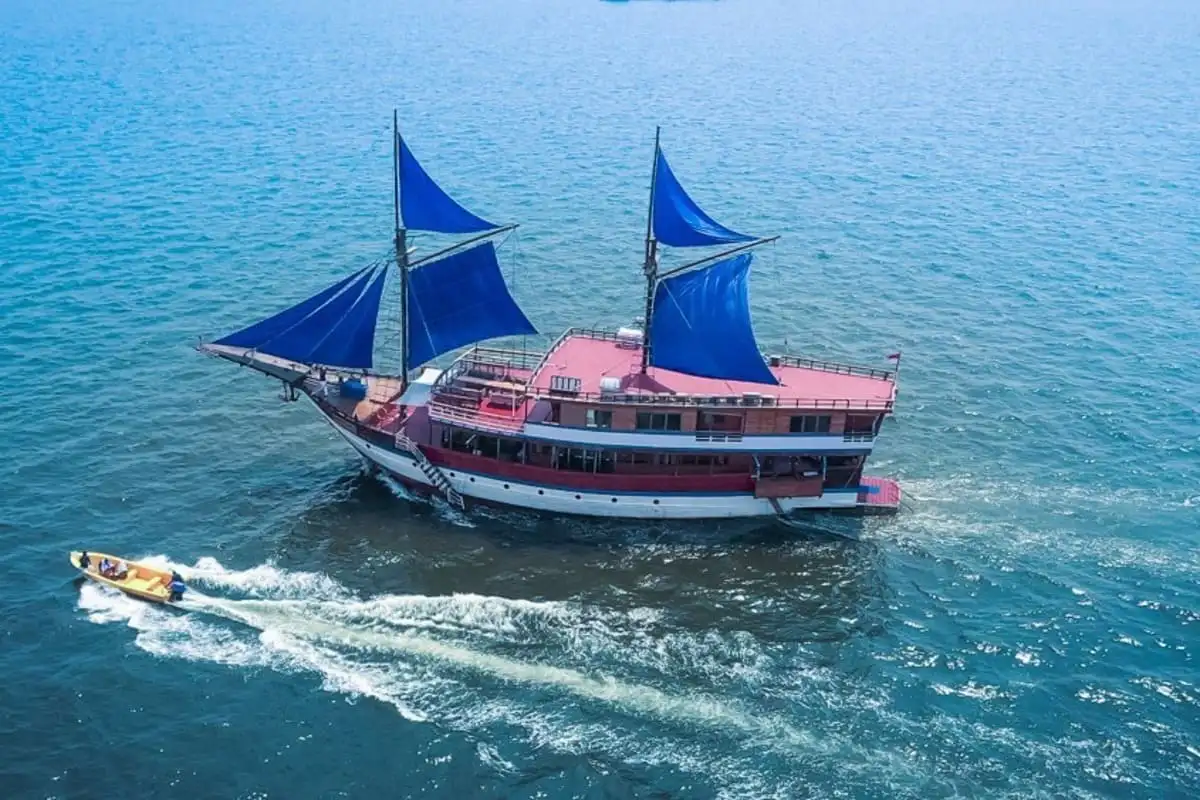
The incorporation of innovative yacht materials in 2027 is set to revolutionise yacht construction, focusing on sustainability, lightweight efficiency, and enhanced durability. These advancements promise to reshape the sailing experience and the longevity of maritime vessels.
Innovative Yacht Materials 2027: A New Era in Construction
As the maritime industry advances, the adoption of innovative yacht materials in 2027 is pivotal for enhancing performance, sustainability, and longevity. With an emphasis on lightweight yacht materials and durable marine composites, this progression is reshaping the landscape of yacht building. The global yacht market, valued at approximately USD 8.5 billion in 2023, is expected to grow significantly, driven by advancements in materials and technology.
The Rise of Lightweight Yacht Materials
Lightweight yacht materials are becoming increasingly essential in modern yacht construction. These materials not only contribute to fuel efficiency by reducing overall vessel weight but also enhance speed and manoeuvrability. Carbon fibre, with its remarkable strength-to-weight ratio, remains a preferred choice, allowing for sleek, agile designs without compromising structural integrity. Carbon fibre’s density is around 1.6 g/cm³, offering significant weight savings compared to traditional steel, which has a density of about 8 g/cm³.
Innovations in aluminium alloys are also gaining traction. The latest alloys provide a balance of strength, corrosion resistance, and lightness, offering a cost-effective alternative to traditional materials. For instance, the 5083 aluminium alloy, known for its excellent corrosion resistance and weldability, is popular in marine applications. The use of aluminium can reduce the weight of the hull by up to 50% compared to steel, offering substantial efficiency improvements.
Durable Marine Composites: Building for Longevity
Durable marine composites play a crucial role in extending the lifespan of yachts. These materials are engineered to withstand harsh marine environments, offering resistance to UV radiation, saltwater, and temperature extremes. Fibreglass reinforced plastics (FRP) continue to be a staple in yacht construction due to their adaptability and durability. FRP materials can last over 30 years with minimal maintenance, making them a cost-effective choice for long-term investments.
Additionally, advancements in thermoplastic composites are noteworthy. These materials provide enhanced toughness and recyclability, aligning with the industry’s shift towards sustainable practices. Thermoplastic composites can be reshaped and recycled without degrading their properties, contributing to the circular economy in yacht manufacturing.
2027 Note on Advancements
By 2027, the yacht building industry is expected to witness significant advancements in material technology. The focus will be on eco-friendly options and materials that enhance performance while reducing environmental impact. This shift is likely to drive innovations in biocomposites and nanomaterials, further transforming the industry. Biocomposites, made from renewable resources, can reduce the carbon footprint of yacht construction, while nanomaterials offer enhanced strength and weight reduction at the molecular level.
Exploring the Latest in Yacht Material Technology
- Graphene-infused composites: Incorporating graphene into composites enhances strength and conductivity, leading to more resilient and technologically advanced yachts. Graphene’s tensile strength is around 130 gigapascals, making it one of the strongest materials known, potentially improving the durability of yacht structures.
- Smart materials: Materials capable of responding to environmental changes, such as temperature-sensitive coatings, are being explored for integration into yacht designs. These coatings can change colour or properties in response to external stimuli, providing both aesthetic and functional benefits.
- 3D-printed components: Utilising 3D printing technology to create bespoke components with materials like titanium and advanced plastics is becoming more prevalent. 3D printing allows for rapid prototyping and customisation, reducing lead times and material waste in the production process.
For a comprehensive understanding of how these materials can affect your yacht choices, visit our detailed guide.
Practical Applications in Yacht Building
Integrating these innovative materials into yacht construction offers numerous practical benefits. Yachts constructed with lightweight and durable materials experience reduced maintenance costs and increased resale value. Enhanced performance capabilities and sustainability also make these materials appealing to environmentally conscious yacht owners. The resale value of yachts built with advanced materials can be up to 20% higher than those using traditional materials, reflecting their superior longevity and performance.
| Material | Advantages | 2027 Trends |
|---|---|---|
| Carbon Fibre | Lightweight, strong, fuel-efficient | Continued popularity for performance yachts |
| Aluminium Alloys | Corrosion resistant, cost-effective | Advancements in lightweight and affordable alloys |
| Fibreglass Reinforced Plastics | Durable, versatile | Ongoing use in a variety of yacht sizes |
| Thermoplastic Composites | Recyclable, tough | Increased use in sustainable designs |
For insights on how to properly store and maintain yachts built with these materials, our comprehensive packing guide provides valuable tips.
FAQ
What new materials are being used in yacht construction?
Contemporary yacht construction is incorporating materials like graphene-infused composites, smart materials, and 3D-printed components, enhancing strength, sustainability, and performance. These materials are selected for their ability to improve fuel efficiency and reduce environmental impact.
How do lightweight materials benefit yacht design?
Lightweight materials improve fuel efficiency, speed, and manoeuvrability, making them ideal for performance-focused yacht designs. Reducing the weight of the yacht by even 10% can lead to fuel savings of up to 20%, significantly reducing operational costs over time.
What are the advantages of using durable marine composites?
Durable marine composites offer resistance to environmental stressors, reducing maintenance needs and extending vessel lifespan. Their ability to withstand harsh conditions without degrading makes them a preferred choice for yachts intended for long voyages or challenging environments.