Build yards: Tanjung Benoa · Bali  &  Lamongan · East Java, Indonesia WhatsApp +62 811-3941-4563 [email protected]
Start a Build

Tanjung Benoa · Bali

Aluminium Yacht Builder Indonesia — Fast, Light, Certified

Aluminium is the material for owners who want metal-boat toughness without metal-boat weight. This page covers what alloy construction actually involves in an Indonesian classed yard — the alloys, the welding discipline, the galvanic engineering and the realistic numbers.

15–35 m 40–50% lighter 18–30 months BV · RINA survey
In Brief

Indonesia Yacht Builder is an aluminium yacht builder in Indonesia constructing 15–35 metre fast cruisers, dive-support vessels and sport-utility yachts in marine-grade 5083 plate and 6061 extrusions at our Tanjung Benoa alloy bay in Bali. Aluminium hulls come out 40–50% lighter than equivalent steel, are welded by certified TIG and pulsed-MIG welders under Bureau Veritas or RINA survey, and deliver in 18–30 months. To scope an alloy project, message +62 811-3941-4563 on WhatsApp or email [email protected].

01 — The alloy case

Weight is the whole argument

Why Weight Is the Whole Argument

An aluminium structure weighs 40–50% less than the same hull in steel, and that saving compounds through the entire design spiral. Lighter structure means smaller engines reach the same cruising speed; smaller engines burn less fuel, so the same tankage buys more range; less displacement means shallower draft, which opens reef passages, river estuaries and beach landings that a displacement steel hull cannot attempt safely. For fast cruising, island-hopping and dive operations across Indonesian waters, that combination is decisive in the 15–35 metre band.

Aluminium does not rust. Its corrosion risk is galvanic — dissimilar metals in contact, stray current from a marina shore-power fault, a bronze fitting bolted where it never belonged. These are engineering problems solved once at the drawing stage, with isolation details, bonding plans and a calculated anode schedule, not ongoing burdens the owner carries for the life of the boat.

The Tanjung Benoa Alloy Bay

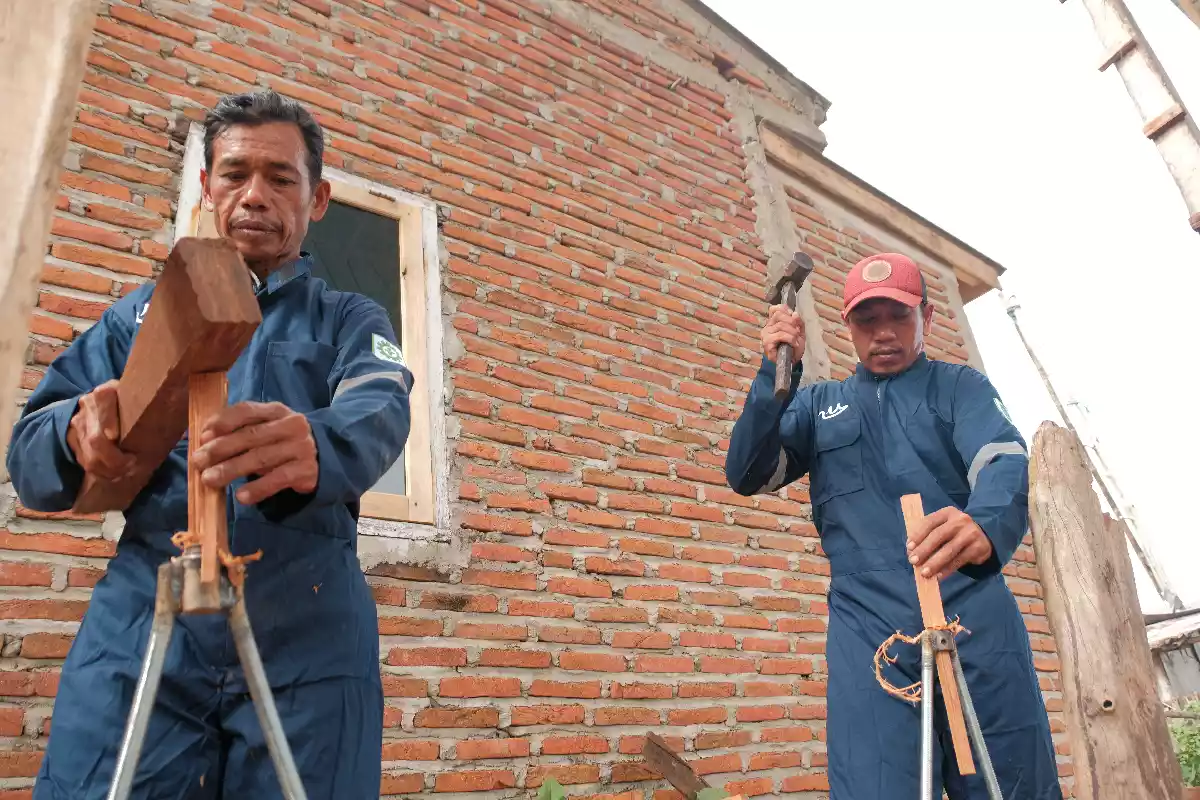
Alloy construction runs in a dedicated bay at Tanjung Benoa, Bali, organized around one central discipline: distortion control. Thin aluminium plate moves under welding heat, and hull fairness is won or lost in the welding sequence. Our welders are certified to approved weld procedure specifications for 5083 plate and 6061 extrusion, working TIG on detail and pulsed-MIG on seams, following sequenced welding plans drawn before the first arc is struck. Plate arrives with mill certificates matched to class material rules, and weld inspection records build into the technical file the owner receives at handover.

Where Aluminium Wins — and Where It Doesn’t

Choose aluminium when the mission is speed, range efficiency and shallow water in the 15–35 metre band: fast family cruisers, dive-support and crew-transfer vessels, expedition tenders and sport-utility yachts. Above that band, or for heavy-displacement ocean expedition work where impact tolerance outranks weight, our steel yacht program is the stronger answer. For semi-custom cruising economics under 30 metres, compare FRP construction — and the complete three-material trade-off sits in steel vs aluminium vs FRP. Owners holding finished alloy designs from an independent naval architect can move straight to building from your own plans with CNC-cut kits.

The Alloy Premium, and How It Returns

The alloy premium — 10–20% above steel per tonne of structure — is real money at contract and recovered money in service. Lower fuel burn at cruising speed, no coating-cycle docking and higher resale liquidity in the international brokerage market typically return the difference inside a ten-year ownership cycle.

02 — Program numbers

The aluminium programme, parameter by parameter

The aluminium programme, parameter by parameter
ParameterAluminium Program
Size band15–35 metres
Alloys5083 plate, 6061 extrusions (marine grade, certified)
Structure weight vs steel40–50% lighter
Build time18–30 months, contract to handover
Cost vs steel10–20% higher per tonne of structure
ClassificationBureau Veritas or RINA, surveyed from material audit to sea trials
Typical missionsFast cruisers, dive and crew support, shallow-draft explorers

03 — Owner questions

Frequently Asked Questions

Is aluminium strong enough for ocean passages?

Yes. Classed aluminium yachts cross oceans routinely; the alloy dents where composite cracks and tolerates abuse far beyond its reputation. For sustained high-latitude or heavy expedition work, steel still leads on raw impact tolerance, which is why we build both and recommend by mission.

Next step

Scope an Alloy Project

Describe the mission — cruising grounds, speed target, draft limit, dive or crew duty — and we will reply with an alloy approach, a budget band in USD and a delivery timeline. WhatsApp +62 811-3941-4563 or email [email protected].

WhatsApp the Build Desk Contact