Steel: Maximum Strength, Maximum Range
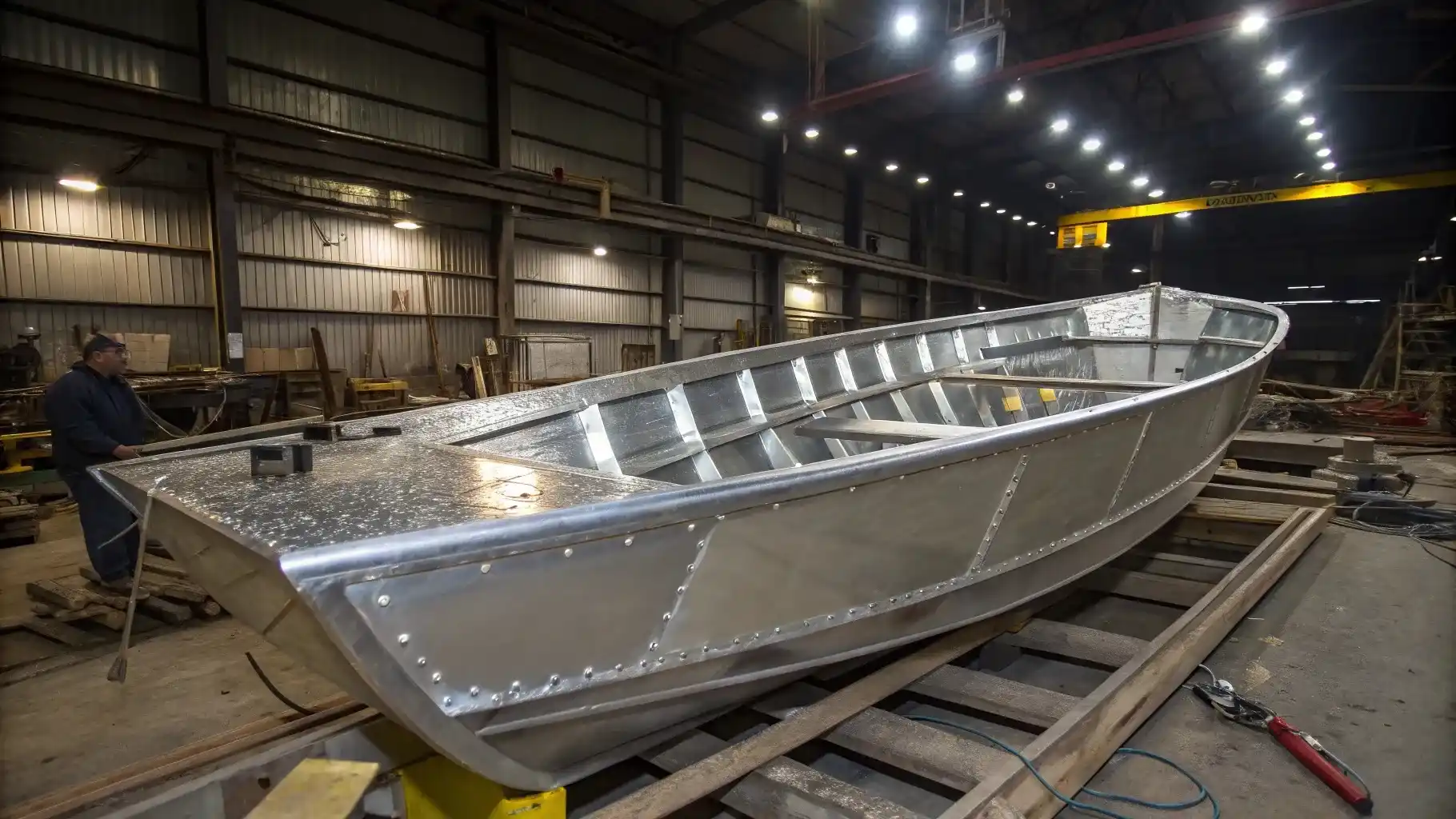
Steel is the default material for serious expedition yachts. Its virtues are blunt: the highest impact tolerance of any hull material, predictable fatigue behavior under classification-society rules, and repairability at practically any commercial port on earth. A steel hull that touches a reef is ground, welded and repainted; the same event in composite is a structural investigation.
The cost of those virtues is weight and upkeep. Steel structure is the heaviest per metre, which limits speed and demands honest coating work — grit blasting to Sa 2.5, multi-coat epoxy systems, and disciplined anode rotation. Below roughly 24 metres the weight penalty overwhelms the benefits, which is why our steel program at Lamongan, East Java, concentrates on 30–60 metre expedition and liveaboard platforms. Plate is certified to Bureau Veritas or RINA requirements, every weld is mapped, and ultrasonic inspection records join the owner’s technical file. Owners planning trans-ocean routes, high-latitude cruising or heavy dive-support operations should start their thinking at steel and require a reason to leave it.