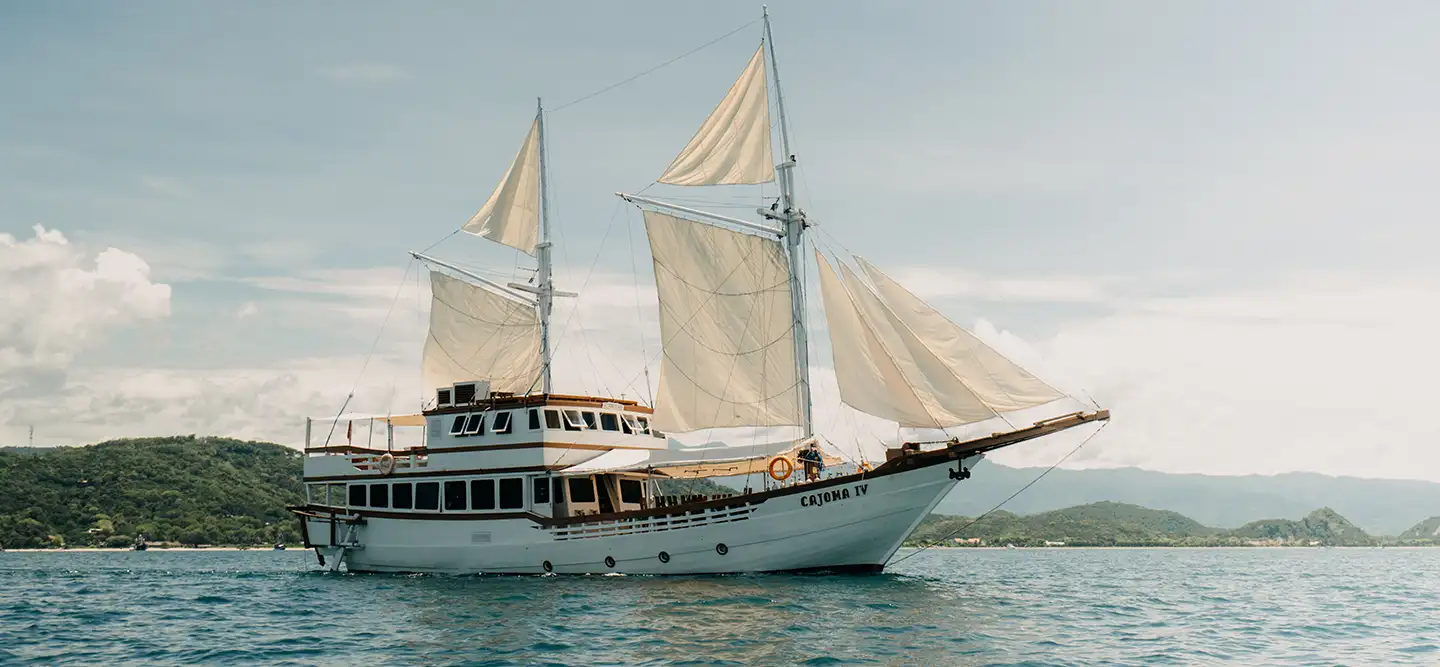
Sustainable yachting trends are reshaping the industry by integrating eco-conscious yacht features and green yachting practices, ensuring a more environmentally friendly future.
Sustainable Yachting Trends in 2027
The yachting industry is undergoing a significant transformation with a focus on sustainability. In 2027, sustainable yachting trends are at the forefront, driven by technological advancements and a growing awareness of environmental impact. This shift is characterised by the adoption of eco-conscious yacht features and green yachting practices.
As environmental awareness grows, the yachting community, including builders, owners, and enthusiasts, is increasingly prioritising sustainability. According to industry reports, the global yacht market is projected to reach USD 10 billion by 2027, with a substantial portion of this growth driven by innovations in sustainable technology.
Eco-Conscious Yacht Features
Modern yachts are being equipped with various eco-conscious features to reduce their environmental footprint. These innovations include solar panels, hybrid propulsion systems, and advanced waste management solutions. Solar panels harness renewable energy, reducing reliance on fossil fuels, while hybrid systems offer more efficient fuel consumption.
- Solar panels and renewable energy sources: Solar panels are increasingly being installed on yachts to capture solar energy and convert it into electricity. This renewable energy source can power onboard systems, reducing the need for diesel generators. Some yachts are now capable of generating up to 20% of their energy needs from solar panels alone during peak sunlight.
- Hybrid propulsion systems: These systems combine traditional diesel engines with electric motors, allowing yachts to switch between power sources. This not only reduces fuel consumption but also decreases emissions. Hybrid systems can improve fuel efficiency by 30-40% compared to conventional engines.
- Advanced waste management solutions: Innovative systems for waste treatment are now standard on eco-friendly yachts. These systems can process waste onboard, converting sewage into clean water and reducing the environmental impact of waste discharge.
- Sustainable materials in yacht construction: Yacht builders are sourcing materials such as sustainably harvested wood and recycled composites to minimise environmental impact. These materials not only reduce the carbon footprint but also enhance durability and reduce maintenance costs.
- Water purification and desalination systems: Onboard desalination units convert seawater into potable water, reducing the need for plastic water bottles. These systems can produce up to 200 litres of fresh water per hour, significantly decreasing a yacht’s reliance on shore-based water supplies.
These features not only contribute to environmental preservation but also enhance the overall yachting experience by providing quieter, cleaner, and more efficient sailing.
Green Yachting Practices
Beyond the physical features, green yachting practices are essential for achieving true sustainability. Yacht owners and operators are increasingly adopting practices such as reducing single-use plastics, implementing recycling initiatives, and choosing eco-friendly marina services. Educating crew and passengers about sustainable practices is also becoming a standard part of yacht operations.
For instance, some yacht charters now include guidelines for sustainable sailing, encouraging guests to minimise their environmental impact by following suggested routes that avoid sensitive marine habitats. Additionally, many yachts are now equipped with onboard recycling stations, allowing for the separation and proper disposal of waste materials.
For those looking to embrace these practices, our packing guide for sustainable yachting offers valuable insights on how to prepare for an eco-friendly voyage.
2027 Note: The Future of Sustainable Yachting
As of 2027, the industry is poised to make further strides in sustainability. Regulations are becoming stricter, and consumer demand for greener options is rising. This shift is encouraging yacht builders and operators to continuously innovate, ensuring that sustainability remains a core focus.
At Indonesia Yacht Builder, we are committed to integrating these trends into our designs and operations, providing our clients with yachts that are both luxurious and environmentally responsible.
The International Maritime Organization (IMO) has introduced new emissions standards, encouraging the development of cleaner technologies. These regulations are expected to reduce the carbon footprint of the yachting industry by 50% by 2050, aligning with global climate targets.
How is the Yachting Industry Moving Towards Sustainability?
The yachting industry is moving towards sustainability by adopting new technologies and practices focused on reducing environmental impact. This includes the integration of renewable energy sources, waste reduction strategies, and eco-friendly materials in yacht construction.
Industry leaders are collaborating with environmental organisations to develop best practices and guidelines that promote sustainable yachting. These collaborations aim to protect marine ecosystems and ensure that yachting remains a viable and responsible leisure activity for future generations.
FAQ
How are eco-conscious yacht features improving sustainability?
Eco-conscious yacht features, such as solar panels and hybrid propulsion systems, improve sustainability by reducing reliance on fossil fuels and minimising pollution. By generating power through renewable sources and enhancing fuel efficiency, these features contribute to a cleaner marine environment and lower carbon emissions.
What are some common green yachting practices?
Common green yachting practices include reducing single-use plastics, implementing recycling programs, and using eco-friendly cleaning products. Adopting these practices helps minimise waste and pollution, preserving the pristine condition of marine environments.
Why is sustainability important in yachting?
Sustainability is crucial in yachting to preserve marine ecosystems, reduce carbon emissions, and ensure the long-term viability of the industry. By prioritising sustainable practices and technologies, the yachting community can contribute to global efforts to combat climate change and protect the planet’s natural resources.